 Undress.XXX
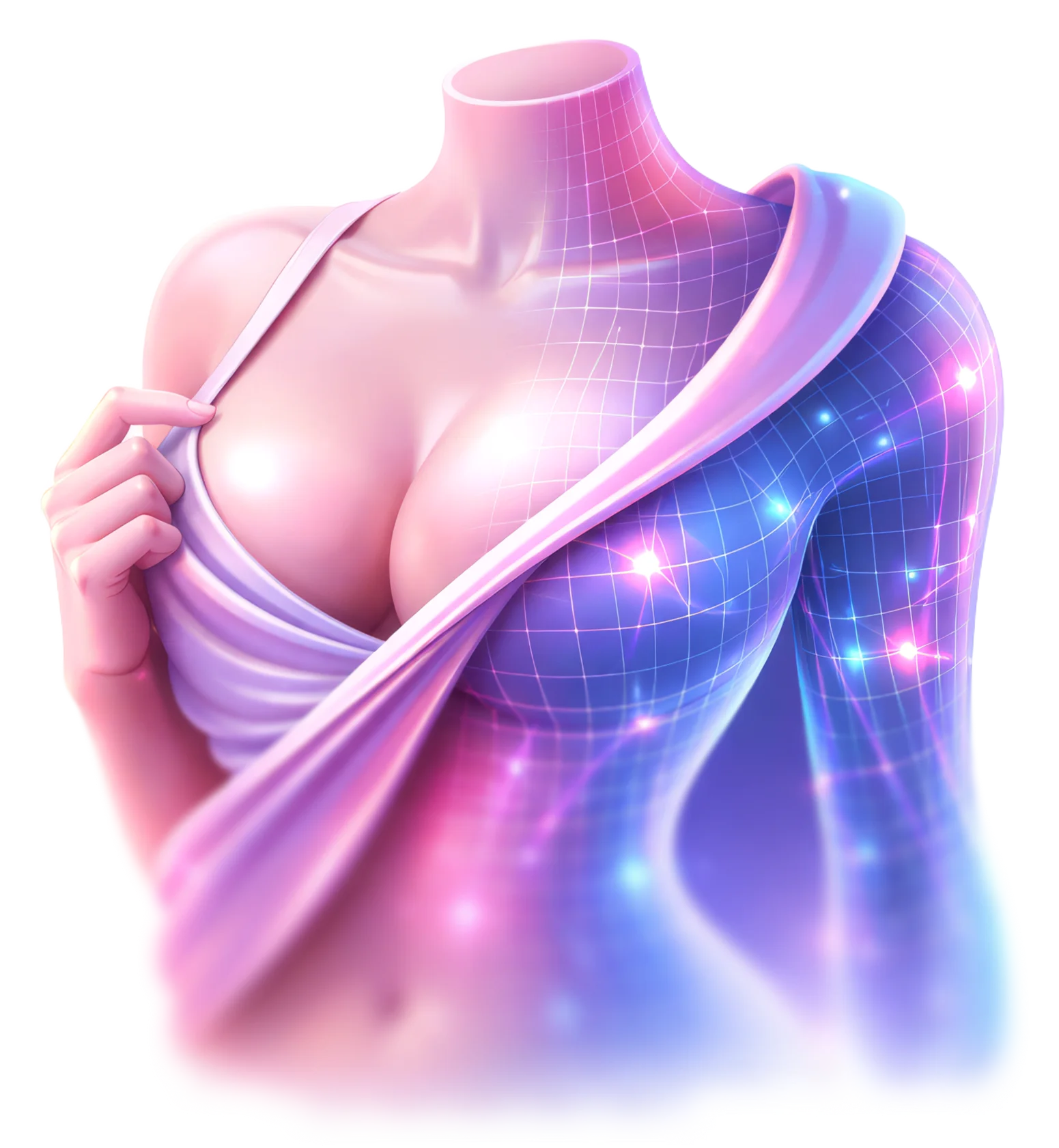
Undress AI is a category of tools that uses artificial intelligence to generate nude or semi-nude imagery — either by removing clothing from a photo, by generating a full AI model from scratch, or by swapping faces between existing images and video. Until 2023, this kind of output required serious technical skills. By 2026, it takes a few clicks and about thirty seconds.
The technology works in three distinct ways, and the sites in this category tend to specialise in one or overlap two:
AI clothes removers analyse an uploaded photo, identify the clothing layer, and generate a plausible nude version beneath it. The AI makes educated guesses about body shape based on visible contours. Results vary by photo quality and pose — front-facing, well-lit shots in fitted clothing produce the best output.
AI nude generators create entirely new images from text prompts or uploaded reference photos without relying on real input imagery. The output is fully synthetic — a generated person, not a processed real one.
AI face swap tools composite one face onto another body — whether a static image, an animated GIF, or a video clip. This is technically the most complex of the three and produces the widest range of results depending on source material compatibility.
The non-negotiable rules across every platform in this category: all source material must be of people who are 18 or older, and you must have explicit permission or own the copyright to any real person's image you upload. These aren't soft guidelines — platforms enforce them, violations result in permanent bans, and in many jurisdictions processing non-consensual imagery is illegal regardless of the platform's terms.
AI image generation had existed in research contexts for years, but 2024 was the year consumer-facing tools crossed the quality threshold that made the output genuinely compelling rather than novelty. The gap between a 2022 AI nude and a 2026 one is comparable to the gap between early digital cameras and a modern smartphone.
The specific improvements that drove adoption:
Anatomical accuracy — the early-generation AI outputs had characteristic tells: extra fingers, misaligned proportions, skin textures that felt obviously synthetic. Current models handle most of these reliably.
Face consistency — face swap quality in particular improved dramatically, making composites that hold up at normal viewing rather than immediately reading as artificial.
Speed — what took minutes now takes seconds on most platforms; premium tiers often process in under ten seconds.
Accessibility — no technical knowledge required. Upload, select options, generate. The tools are designed for non-technical users.
The result is a category that went from hobbyist curiosity to 30+ million monthly visitors across the leading platforms in under two years.
For processing existing photos of consenting adults: An AI clothes remover or nudifier is what you want. Upload the image, adjust settings if available, generate. The quality of the output depends heavily on the source photo — lighting, pose, and clothing type all affect results significantly. Front-facing poses in fitted clothing consistently outperform other configurations.
For creating original AI characters: A pure AI nude generator that accepts text prompts or reference style images is the right tool. You're not processing real photos — you're creating synthetic imagery from scratch. This avoids the consent and permission considerations entirely and gives you complete creative control over physical attributes.
For video or multi-image compositing: A face swap tool with video support handles this. The technical demands are higher and results require better source material matching — similar lighting, angle, and expression compatibility between the face source and the target content produce cleaner output. Expect some trial and error.
Output quality is the obvious criterion, but it's worth specifying: resolution, anatomical accuracy, skin texture realism, and face-body consistency all matter independently. A tool that handles faces well but produces poor body anatomy is only partially useful.
Processing speed varies significantly across platforms. Free tiers typically join a queue; premium tiers often process immediately. If you plan to generate multiple images in a session, the difference between 5-second and 2-minute processing adds up.
Credit systems vs. subscriptions — most platforms use either a monthly credit allocation or a subscription with defined usage limits. Credit systems are more transparent about per-generation cost; subscriptions are better value if you use the tool heavily. Most platforms offer free trials that are genuinely informative before requiring payment.
Privacy handling is important and underreported. Understand whether the platform stores uploaded images, how long they're retained, and what their data practices are. End-to-end encryption and explicit no-storage policies are the features to look for.
Platform rules and enforcement — every reputable platform in this category has strict terms around minimum age of depicted individuals (18+) and consent requirements. The platforms that enforce these rules actively are the ones worth using; the ones that don't are liabilities.
The legal and ethical landscape around AI-generated imagery involving real people is actively evolving. As of 2026, multiple jurisdictions have enacted or are enacting legislation specifically targeting non-consensual intimate imagery generation, regardless of whether the output is technically "synthetic."
The practical guidance:
Only upload photos of people you have explicit permission from, or images you personally own the rights to.
Don't generate imagery of identifiable real people without their consent — most platforms prohibit this explicitly and ban for violations.
Check local law — in addition to platform terms, your jurisdiction may have specific statutes that apply to AI-generated intimate imagery.
Synthetically generated characters (text-to-image with no real person as input) are the lowest-risk category from both legal and ethical standpoints.
Every platform listed in this category includes a legal notice and terms of service covering these requirements. Read them. They're not decoration.
Undress AI and AI nude generation tools are genuinely impressive technology that has matured rapidly. The best current tools produce output that would have seemed impossible in 2022. For users who want to generate original synthetic adult content — custom characters, fantasy scenarios, AI companions — the tools in this category deliver.
The consent and permission requirements aren't obstacles to the legitimate use case. They're the line between a creative tool and a harassment instrument. Every platform worth recommending enforces that line. The reviews below reflect those standards.
All tools reviewed on BeinPorn are assessed for output quality, pricing, privacy practices, and terms enforcement. We do not review or list platforms that permit non-consensual imagery generation. Last updated April 2026.